
Fine jewelry is made to be worn, but everyday wear leaves its mark.
A ring may begin catching on sweaters. A diamond that has always felt secure may start to move slightly in its setting. A necklace clasp may need a second try before it closes. Sometimes, the change is obvious. Often, it is subtle enough to ignore until a small issue becomes a larger repair. Knowing what to look for can help you care for the pieces you wear most and protect jewelry with sentimental value before something is lost or damaged.
At Brilliant Fine + Custom, our family-owned jewelry boutique in Historic Downtown Roswell offers fine jewelry repair and maintenance for engagement rings, wedding bands, necklaces, bracelets, earrings, heirloom jewelry, pearls, and everyday pieces. Every repair begins with an inspection so our team can understand what the jewelry actually needs and recommend a practical next step.
Here are seven signs it may be time to have your jewelry looked at by a professional.
How Do You Know When Jewelry Needs Repair?
Jewelry may need repair when something about the way it looks, feels, fits, or functions has changed.
A loose stone, worn prong, broken chain, unreliable clasp, uncomfortable ring fit, or missing stone should be inspected rather than ignored. Fine jewelry can also benefit from professional maintenance even when nothing appears obviously broken, especially if it is worn every day.
The important thing to remember is that jewelry damage is not always dramatic. Small changes can be early signs of wear.
1. A Diamond or Gemstone Feels Loose
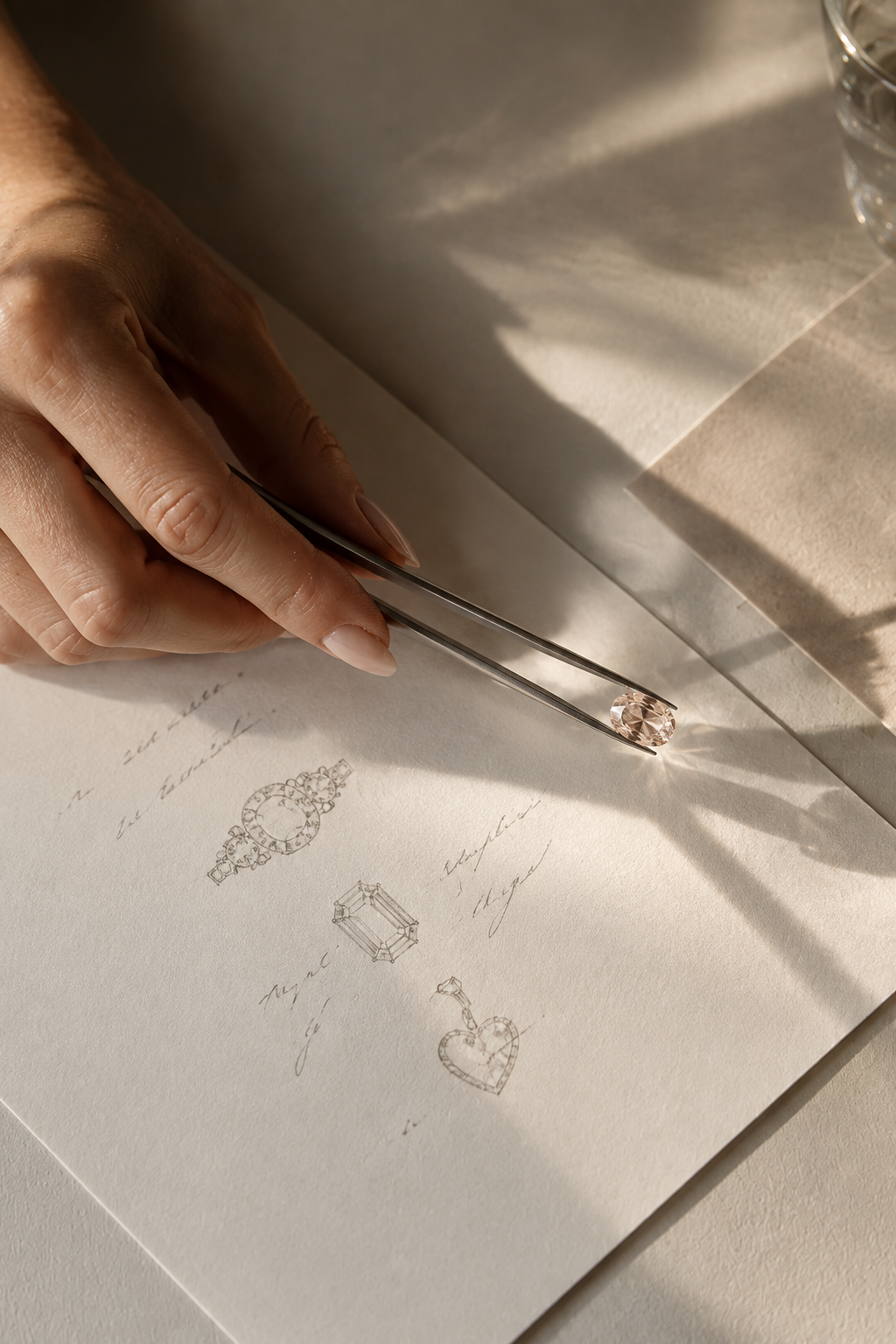
If a diamond or gemstone moves, shifts, clicks, or feels different in its setting, stop wearing the piece until it can be inspected.
A loose stone can happen as prongs and settings gradually wear through everyday use. Even slight movement matters because continued wear may put the stone at greater risk of coming out entirely. A jeweler can examine the setting, determine why the stone is moving, and advise whether stone tightening, prong work, or another repair may be appropriate.
If you are asking yourself, “What should I do if my diamond feels loose?”, the safest next step is simple: take the ring off, store it somewhere secure, and bring it to a jeweler for inspection.
This is especially important for engagement rings, wedding bands, anniversary rings, and other pieces worn daily.
2. Your Prongs Are Catching on Clothing
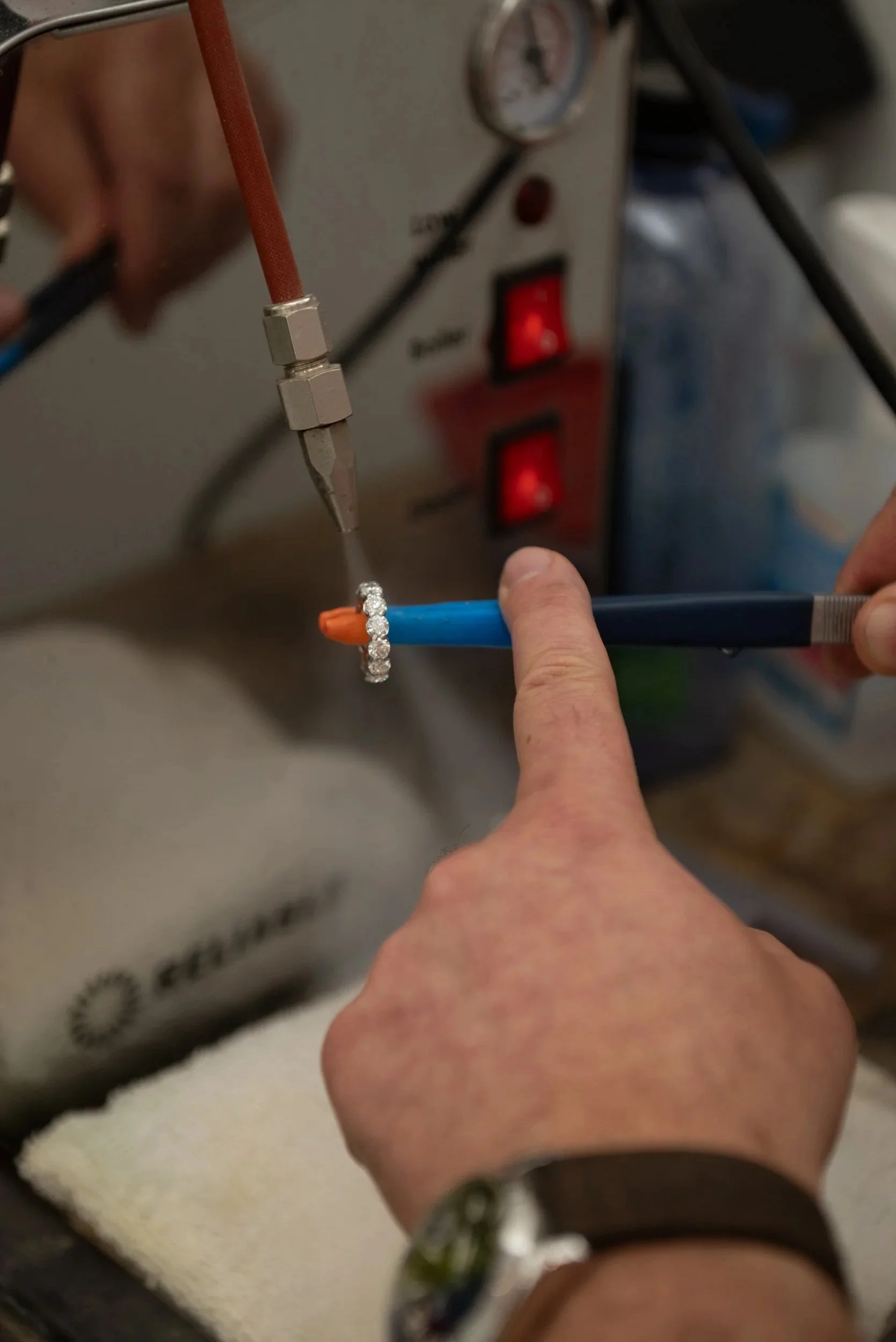
A ring that suddenly starts snagging on sweaters, hair, blankets, or clothing may be telling you something.
Prongs are the small pieces of metal that hold many diamonds and gemstones securely in place. Over time, they can wear down, bend, lift, or become weakened. A prong that repeatedly catches may need attention even if the stone still appears secure.
Worn prongs matter because they help protect the stone from shifting or falling out.
If a prong looks uneven, feels sharp, or begins catching more than usual, have the setting checked. Depending on the condition of the jewelry, a jeweler may recommend prong repair, rebuilding, or another approach to secure the stone.
Regular inspections can also help identify prong wear before it becomes obvious.
3. Your Ring No Longer Fits Comfortably
Hands change, and rings sometimes need to change with them.
A ring that feels painfully tight, spins constantly, slides toward the fingertip, or no longer sits comfortably may need to be evaluated for resizing. Ring resizing is not identical for every piece. What is possible depends on the metal, setting, stone placement, construction, and overall condition of the ring. A simple gold band may present a different resizing situation than an intricate diamond ring or vintage setting.
If you are looking for engagement ring resizing near Roswell, Brilliant can inspect the ring and advise whether resizing is appropriate.
The goal is not simply to make a ring larger or smaller. It is to help the piece feel secure, comfortable, and wearable while protecting the integrity of the design.
4. A Necklace or Bracelet Chain Has Broken
Fine chains can break from wear, accidental pulling, weakened links, or stress around connection points. Bracelets may experience similar issues, particularly in pieces worn frequently. Depending on the chain and the location of the break, soldering or another repair may be possible. The condition and construction of the jewelry need to be evaluated individually before determining the best solution. If a gold necklace or bracelet breaks, save all of the pieces you can find and bring them with you. Avoid attempting to bend, glue, or reconnect fine jewelry at home, as this can make professional repair more difficult.
For sentimental necklaces and bracelets, repairing the original piece can often be preferable to replacing something that carries meaning.
5. The Clasp Feels Loose or Will Not Stay Closed
A clasp should make you feel confident that your jewelry is secure.
If a necklace repeatedly opens, a bracelet clasp feels loose, or a closure has become difficult to operate, it is worth having the piece inspected before wearing it again. Clasps experience repeated movement and tension, so they can wear over time. Sometimes the clasp itself needs attention. In other cases, the issue may involve a nearby jump ring, connection point, or section of chain. A jeweler can evaluate the full closure rather than only focusing on the part that appears broken.
This kind of repair may feel small, but it can help prevent something much more frustrating: losing the entire piece because the closure failed.
6. A Stone Is Missing From Its Setting
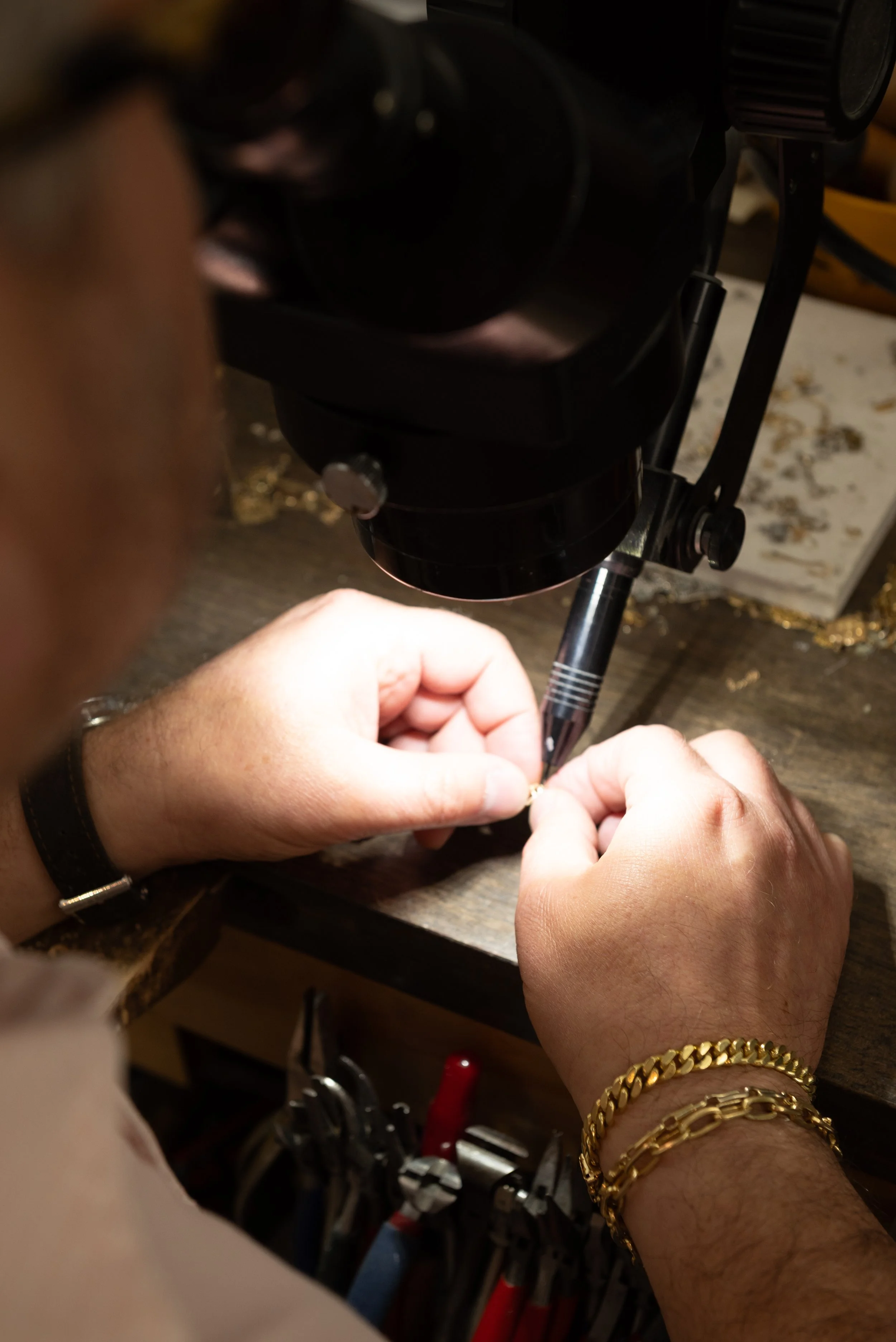
Finding an empty setting in a favorite ring or piece of jewelry can be unsettling, but a missing stone does not necessarily mean the piece cannot be restored.
A jeweler can inspect the setting to determine why the stone was lost and whether the surrounding metal also needs repair. When appropriate, a replacement diamond or gemstone may be sourced and set into the piece.
The setting itself matters just as much as the replacement stone. If worn prongs or structural damage contributed to the loss, those issues may need to be addressed before a new stone is secured.
If you still have the original stone, bring it with you. If you do not, Brilliant can evaluate the piece and discuss replacement options where appropriate.
7. Your Jewelry Looks Worn or Has Not Been Professionally Checked in a While
Not every jewelry service begins with something broken.
Fine jewelry naturally changes with wear. White gold may lose some of its bright white finish. Settings collect residue. Metal surfaces develop signs of everyday life. Prongs and clasps can weaken gradually without being immediately noticeable. Professional cleaning and inspection gives a jeweler the opportunity to look more closely at the piece while restoring some of its original polish and brilliance.
For white gold jewelry, rhodium plating may also be used to refresh the bright white finish as the surface wears over time. If a piece looks dull, feels different, or simply has not been professionally inspected in a long time, maintenance can be worthwhile even if you have not noticed a specific problem.
The purpose is not to make well-loved jewelry look untouched. It is to help keep it secure, wearable, and cared for.
What Happens When You Bring Jewelry in for Repair?
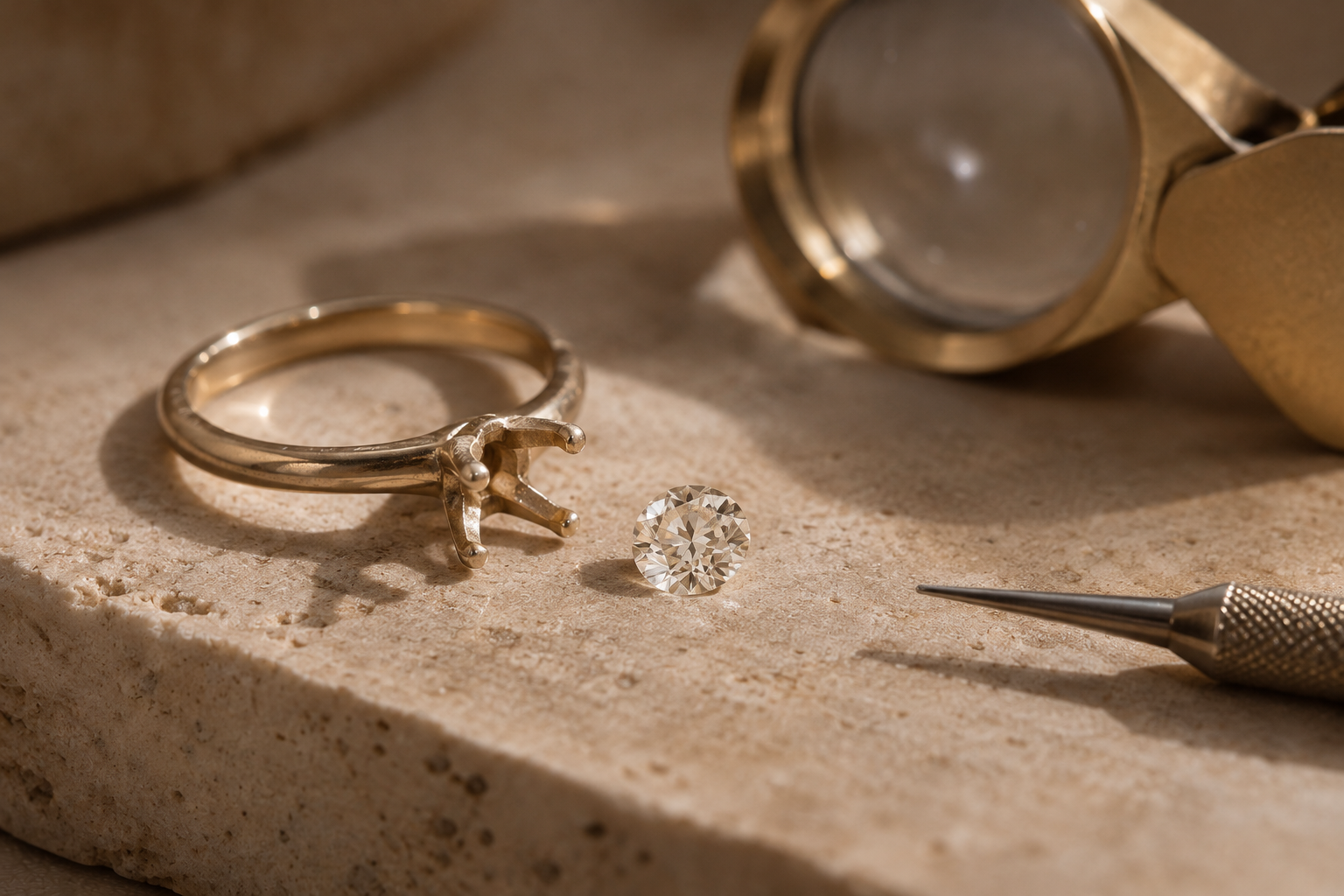
The jewelry repair process at Brilliant begins with the piece itself.
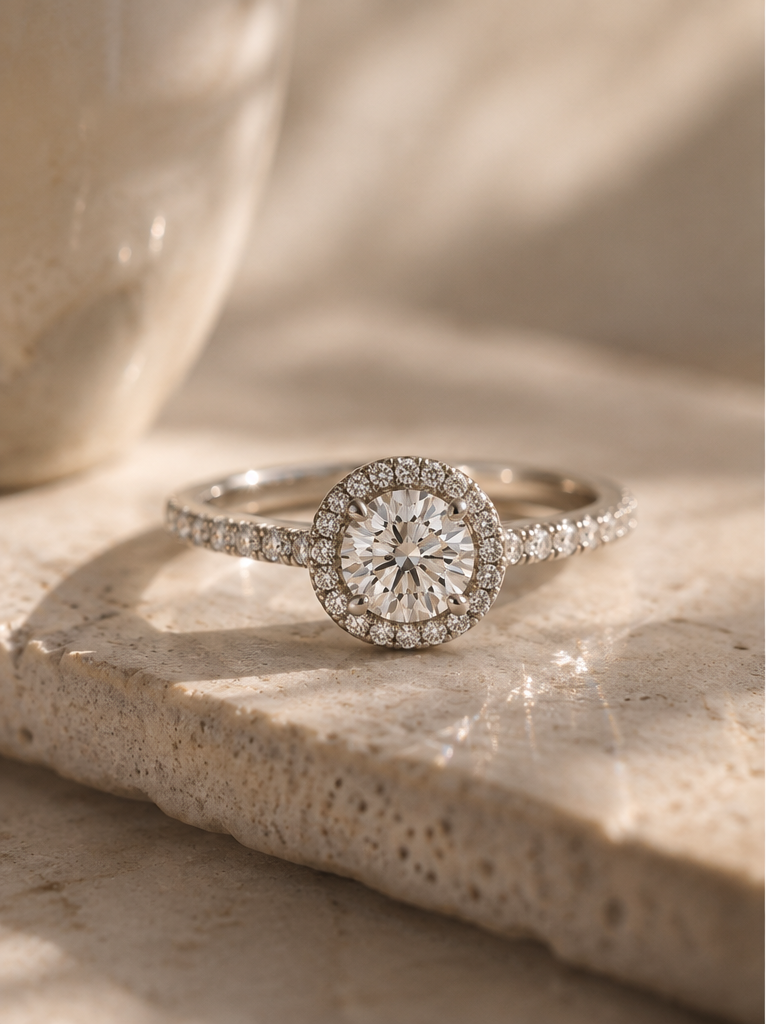
Walk-ins are welcome at our Roswell boutique, although appointments are preferred when possible. Bring the jewelry you would like inspected and let the team know what you have noticed, whether that is a loose stone, broken chain, worn clasp, uncomfortable fit, missing stone, or something that simply feels different.
The process is straightforward:
First, we inspect the jewelry.
The team looks at the piece closely to understand its condition and identify what may need attention.
Next, we explain what we recommend.
Once the repair is understood, Brilliant can provide an estimate for pricing and timing when possible.
Then, the repair is completed appropriately for the piece.
Work is completed in-house or with trusted bench support depending on the service required, with Brilliant overseeing the process.
Repairs are always evaluated individually. Pricing, timing, and what is possible depend on the jewelry's construction, materials, condition, and complexity.
That case-by-case approach matters. The goal is not to recommend the most extensive repair. It is to understand the piece and suggest the work that makes sense.
Can Regular Jewelry Maintenance Prevent Larger Repairs?
Regular jewelry maintenance can help identify wear before it becomes a more serious problem.
Fine jewelry is not static: prongs soften, clasps experience repeated movement, stones can loosen, pearl strands can stretch, and finishes change through everyday wear.
Professional cleaning and inspection allows a jeweler to check areas that may be difficult to assess at home, including stone security, prongs, settings, clasps, and general structural wear.
That does not mean every inspection will uncover a repair. Sometimes the best news is that a piece simply needs cleaning and can continue being worn as usual.
Maintenance is about knowing the condition of the jewelry you cherish rather than waiting for something to fail.
What About Pearl Restringing and White Gold Maintenance?
Some jewelry needs a different kind of ongoing care.
Pearl necklaces and bracelets are traditionally strung rather than constructed like a metal chain. With wear, those strands can stretch or weaken. Pearl restringing rebuilds the strand so the pearls sit securely and the piece can continue to be worn.
White gold has its own maintenance needs. Rhodium plating gives white gold its bright white surface, and that finish naturally changes through wear. When the warmer tone beneath begins to show, rhodium plating can refresh the appearance.
Neither necessarily means something has gone “wrong.” They are examples of normal maintenance that can help fine jewelry continue looking and wearing the way it should.
When Should You Stop Wearing a Piece Until It Is Repaired?
If a stone feels loose, a clasp will not stay secure, a chain is partially broken, a prong is visibly damaged, or the piece seems at risk of further damage, it is best to stop wearing it until a jeweler can take a look.
Continuing to wear vulnerable jewelry can turn a manageable repair into a more complicated one, particularly if a diamond or gemstone is lost.
Place the piece somewhere safe and bring it in for an inspection.
When you are uncertain, you do not have to diagnose the problem yourself. That is part of what a professional jewelry inspection is for.
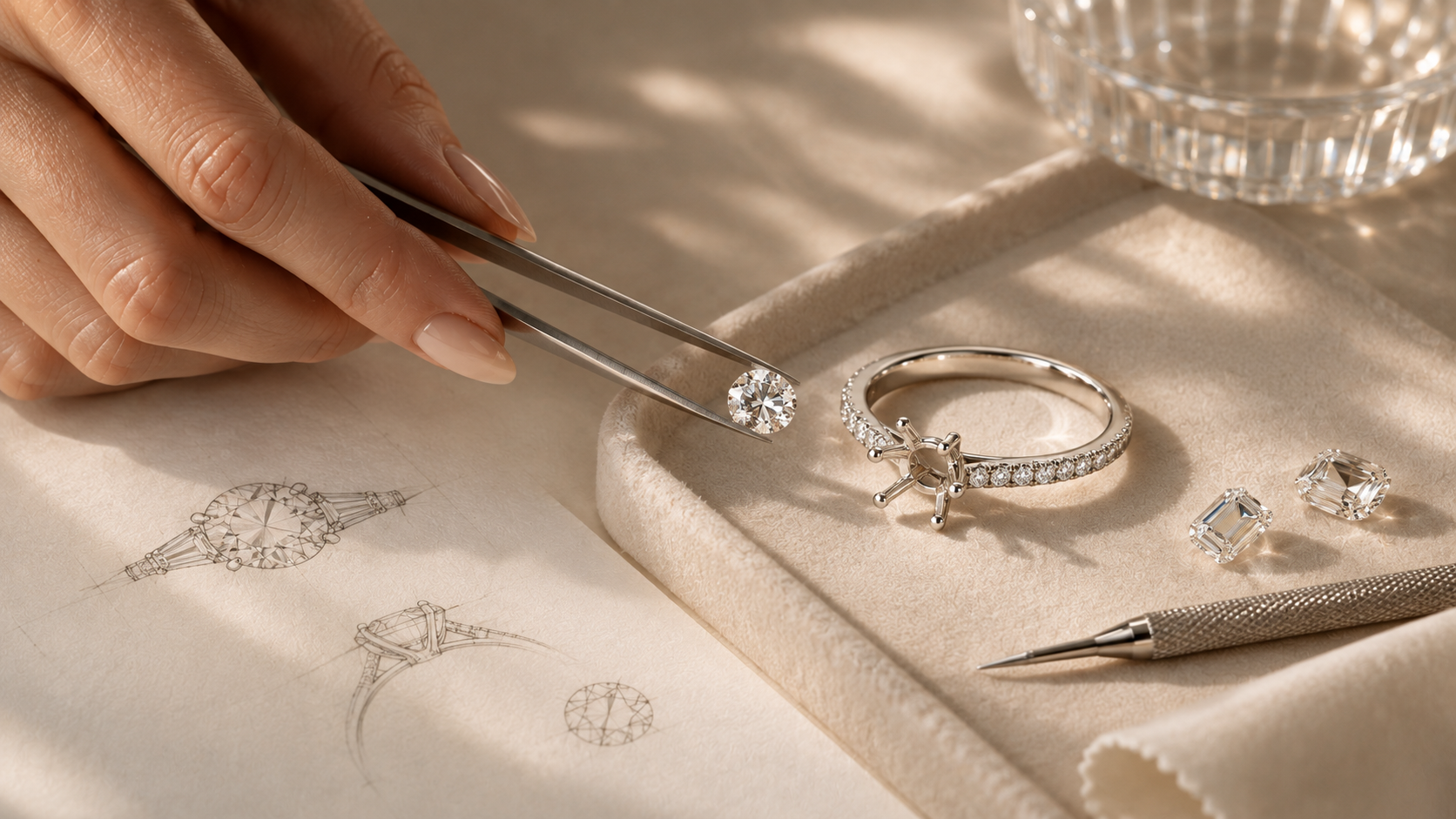
Where Can I Get Jewelry Repaired in Roswell, GA?
Brilliant Fine + Custom offers jewelry repair and maintenance from our family-owned fine jewelry boutique in Historic Downtown Roswell, Georgia.
We work with clients throughout Roswell, Atlanta, Alpharetta, Milton, East Cobb, Sandy Springs, Marietta, Buckhead, and surrounding North Atlanta communities who need help caring for engagement rings, wedding bands, necklaces, bracelets, earrings, pearls, heirloom jewelry, and everyday fine jewelry.
Services include ring resizing, prong repair, stone tightening and replacement, soldering, chain and clasp repair, pearl restringing, rhodium plating, professional cleaning, and jewelry inspections.
Walk-ins are welcome, although appointments are preferred when possible.
Care for the Pieces You Want to Keep
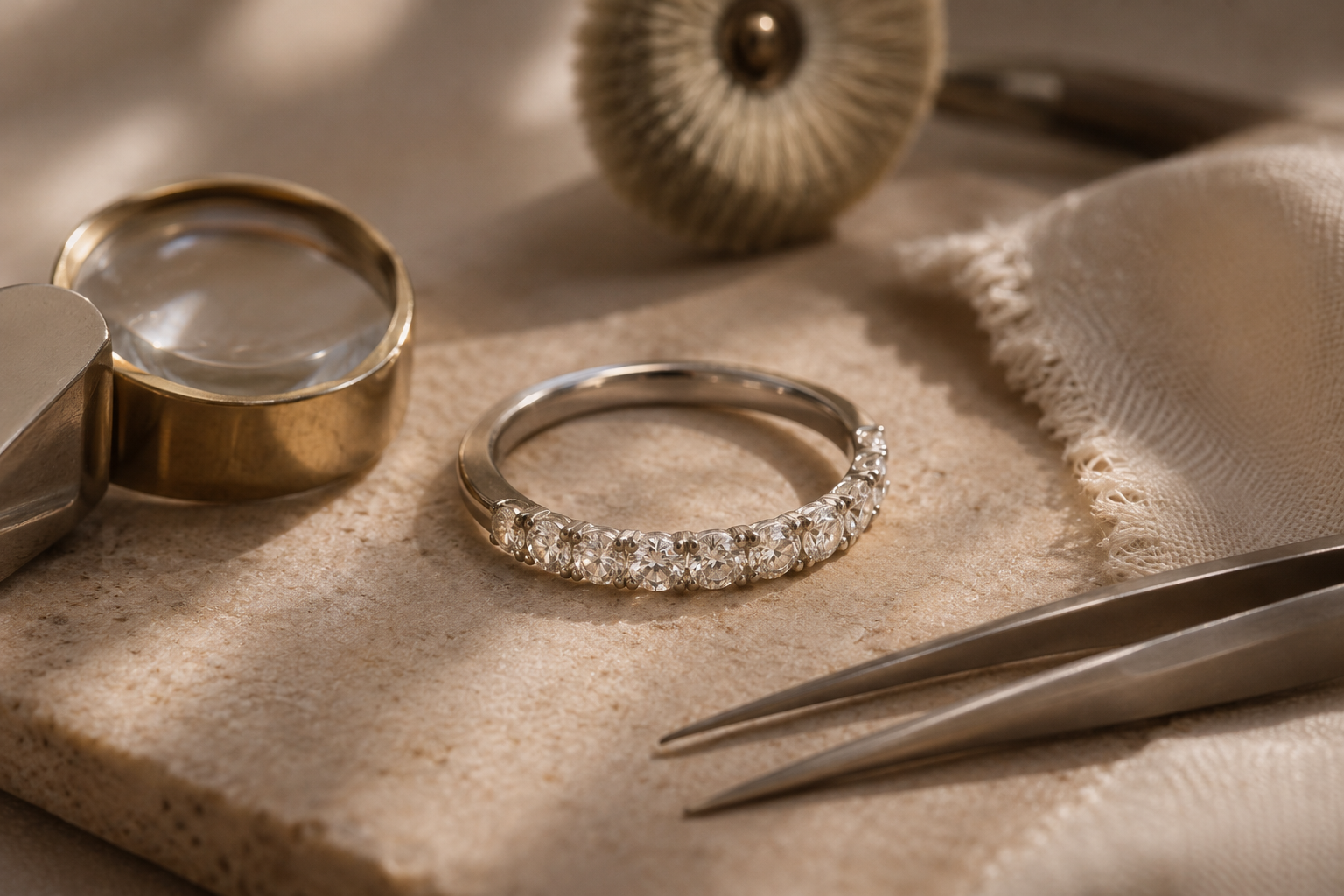
Some jewelry needs a repair. Others simply need a closer look.
Either way, noticing a change early gives you the opportunity to understand what the piece needs before a small issue becomes something larger.
At Brilliant Fine + Custom, we believe jewelry repair should feel thoughtful, transparent, and personal. We inspect each piece individually, explain what we see, and help you understand the options so you can make the decision that feels right for your jewelry.
If your ring feels loose, a prong keeps catching, a clasp will not stay closed, or you have a piece you have been meaning to fix, bring it to Brilliant in Historic Downtown Roswell.
We would be happy to take a look.
